
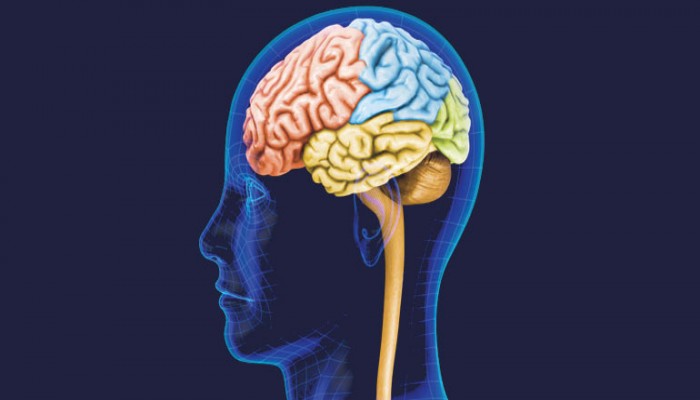
Dual design of human brain may confer special benefits
A new review of previous research suggests that the dual design of human brain may confer special benefits. Though in general, the human brain evolved to have two halves.
Scientists have long known that the different halves of human brains perform different functions. For example, the left half — or left hemisphere — is generally responsible for language and speech, whereas the right one generally handles emotions and facial recognition. (This division of functions is real, and is separate from the popular, but wrong, notion that people who are logical or analytical are "left brained" while those who are creative or artistic are "right brained.")
In the new review, published today in the journal Neuron, researchers zeroed in on why the brain's split design is beneficial.
One of these benefits is that having a specific area of the brain that's responsible for performing a specific, complex task may make it easier for a person to perform this task well, the reviewers found.
In addition, this specialization could make it easier for the brain to perform many different functions at once, they said. In other words, if one part of the brain is taking care of one specific function such as language and speech, then another part remains free to take care of something else, such as facial recognition. This may in turn allow the brain to juggle these different functions more efficiently.
There also seem to be benefits to having a clear division in the cognitive functions that the left and right brain hemispheres perform, according to the review. For example, research in humans has suggested that such division may be beneficial to the development of cognitive skills, including verbal IQ and reading skills, the researchers wrote.
Join the conversation